
Staging Alzheimer’s: A New Play About Memory, Care, and What We Leave Behind
Over the past year — working in my continuing bioinformatics research — I’ve found myself circling one question:
What remains of us when memory falters, and who carries the fragments we lose?

This question has become the seed of a new performance work: a play about Alzheimer’s, care, and the fragile rituals that preserve personhood when recognition fades. It echoes my own interest in how identity is both recorded and forgotten inside healthcare settings.
🌫️ A woman in a room that’s about to disappear
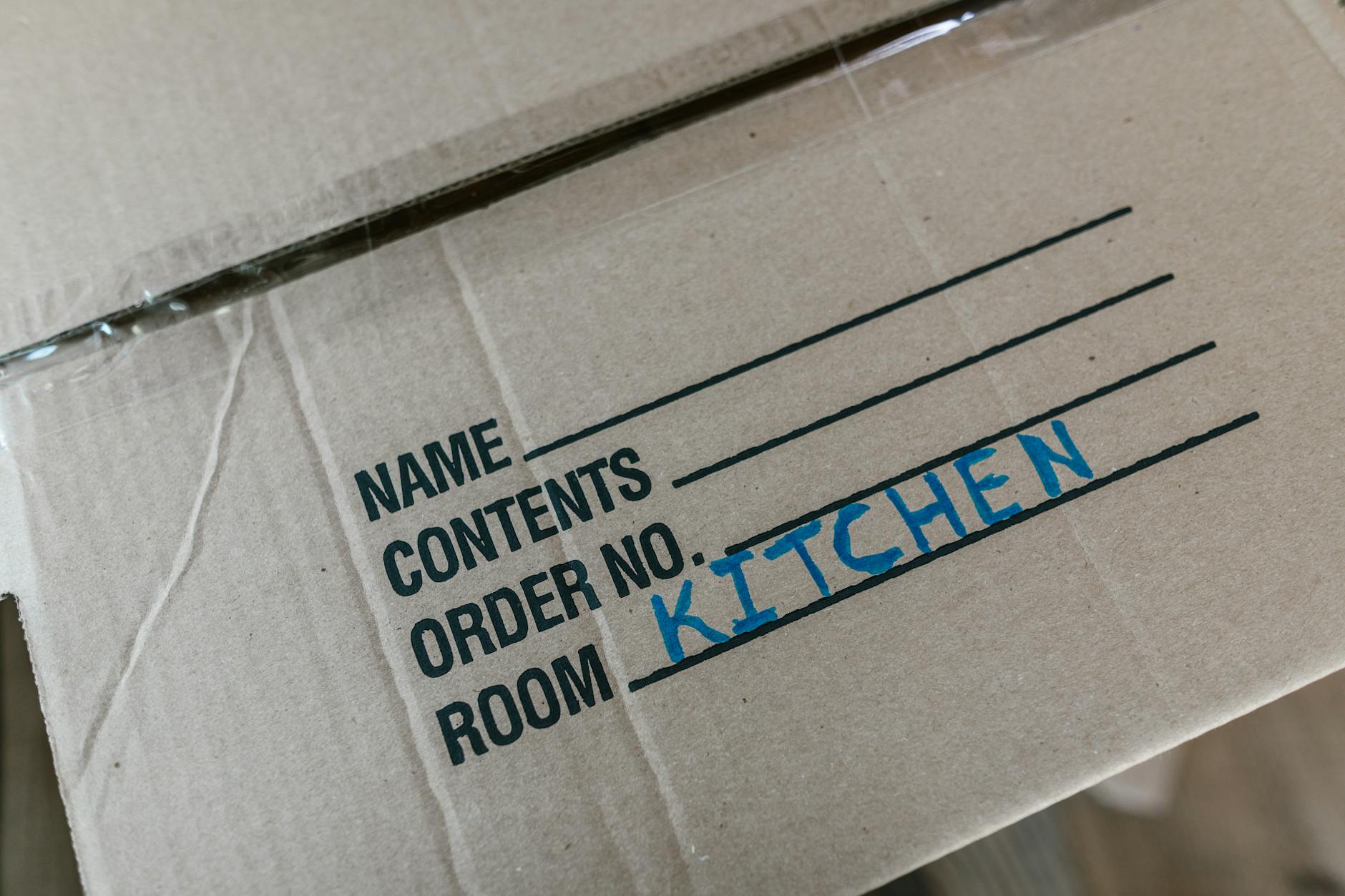
The piece centres on a single character — a woman working in the soon-to-close wing of a care home. The new building is opening at dawn. The old room she is sitting in is due to be sealed off, repurposed, or demolished.
The play begins not with big pronouncements, but with small, recognisable tasks:
finding a mug, adjusting a badge that keeps flipping backwards, wiping the dust from a radiator. These gestures open into a wider meditation on memory, loss, and the invisible labour of care.

A few teaser lines:
“There’s a room in every building that collects what’s left behind…
badges, mugs, forms without names, coats with elbows still remembered.”
and
“Some days you think the work is the tasks.
But it isn’t.
It’s the gathering — the turning forward —
the arrangement of what was nearly forgotten.”
These fragments belong to a longer monologue that will form the heart of the play. They sit somewhere between testimony, ritual, and quiet rebellion — a refusal to let small lives be mislaid.
🌱 Why this, and why now?
At St George’s, my studies took me deep into Alzheimer’s pathways, memory sciences, and the lived practicalities of dementia care. I also worked alongside clinical teams who confront, daily, the tension between documentation and personhood — between what the chart records and what a human presence communicates.
That proximity has shaped this work profoundly.
I don’t dramatise clinical details — the ethics matter too much — but the emotional architecture of the setting comes directly from it.
There is also something timely about this moment in theatre: with a new Irish play on memory at the National and a modern Antigone arriving soon, audiences seem ready to revisit stories of care, grief, and moral duty through fresh, unsentimental eyes.

🤲 A community chorus
As part of this project, I’ll be inviting carers, HCAs, cleaners, night-shift workers, nurses, and anyone who has ever looked after someone to contribute short, anonymous lines.
Not heavy stories — just everyday truths:
the object you always carry the sound that tells you someone needs you the mug nobody can ever find the ritual that steadies you before a shift
Each response is a reminder that identity is held not just by the self, but by community.
If you’d like to contribute, I will keep the comments open should something feel familiar.
🔍 Honouring care, honouring personhood
Now the play is made. You can listen to it here
The play asks:
How do we honour lives whose memories have become scattered?
Where do we place the stories that can no longer place themselves?
It is not a sentimental piece.
It is not a tragedy.
It is, more than anything, an act of witnessing.
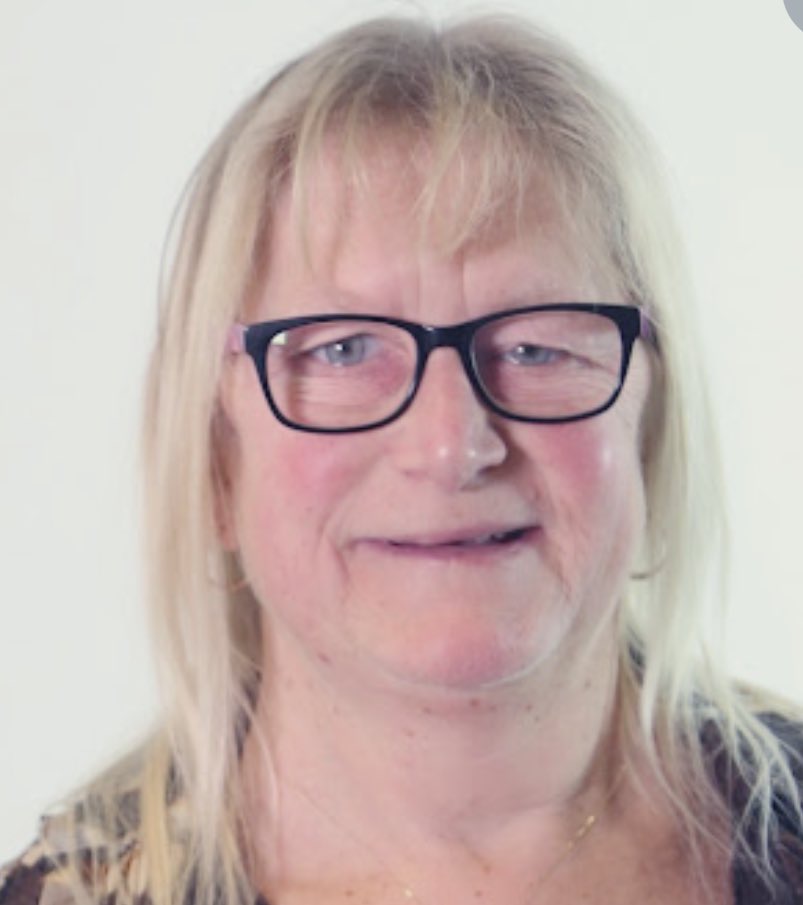
The piece is performed by Julie Broadbent — an actor with a particular gift for stillness, for letting the difficult thing be exactly what it is. Julie and I previously made Wyre Lady of Fleetwood together which received an Off West End nomination . For this piece, she brings something quieter still.
★★★★
“An undeniably thoughtful and immersive exploration of memory, loss and human connection.”
— BroadwayWorld
★★★★1/2
““A profound meditation on dementia and care…”
“Rigorous, beautiful writing… it trusts you.”
“A reflective and intimate experience that lingers long after it ends.”
— BetterAuds
“Evocative.”
— Audience Comment
Above are latest response to our opening.
A note on how you’ll hear it: this is an audio piece. You don’t come to a theatre. You choose your own place — a garden, a quiet room, a familiar walk — and you listen wherever May finds you.

🌟)#Alzheimers #Dementia #NewWriting #TheatreMaking #CareWork #NHSVoices #CreativeHealth #StGeorgesUniversity #MedicalHumanities #Neurodiversity #Personhood #MemoryLoss #DramaInDevelopment #BioinformaticsMeetsTheatre #DustRituals #OnePersonShow #CareHomeStories #ArtsAndHealth #WellcomeTrust #TheStage #IrishTheatre #Antigone #SebastianBarry


My mother had dementia. She would repeat the same action the whole day, a hundred times: rising from the couch to see who was knocking at the front door. She’d open the door, go sit on the couch, then rise again to open the front door. And this went on endlessly. Such fear in me when I saw this for the first time. No one had the guts to interrupt her. But she still knew who I was!
LikeLiked by 3 people
That image of your mother at the door has stayed with me since I read it. The repetition, the vigilance, the fact that she still knew you —incidentally that’s exactly the territory this piece is trying to hold. Not the loss as the whole story, but what persists alongside it. Thank you for trusting me with that. Hope this reply finds you well and the new season of Spring is bringing beauty to your neck of the woods.
LikeLike
What an important project and play, Lita. You’ve certainly put a lot of thought into it, and how others can participate as well. It’s something concerning when recognition fades, so much fragility in that. The small things can speak the loudest words – which is exactly the labour of care. It’s not something glamorous on the outside but something that comes from a place of a great deal of empathy and recognition of community, and that we are all a part of community.
‘Not heavy stories — just everyday truths…identity is held not just by the self, but by community” I absolutely love this line and how you describe the small, mundane objects and actions that define us, that tell the stories of the deepest parts of us. Like the mug you use everyday could have a fascinating story on how you acquired it. The shirt you always wear because you feel comfortable in it. And I feel many carers recognise that no job is too small, no little action is insignificant.
Thank you for creating, writing and sharing, Lita. Hope you are doing well this season. Wishing you lots of love across the many miles 😊❤️
LikeLike
You’ve put your finger on something I’ve been circling for a long time — that the mug, the coat, the shirt you always reach for aren’t incidental. They’re the archaeology of a self. The way objects hold us even when we can’t quite hold ourselves. I love that you went straight there. And yes — carers know this in their bones, even when nobody around them names it. That gap between what’s known and what gets recorded is where this whole piece lives. Thank you as always for reading so generously and so carefully. It means a great deal.
LikeLiked by 1 person
“The way objects hold us even when we can’t quite hold ourselves” I love how you say this. So thoughtful as always. Keep creating and writing, Lita 💕
LikeLike
beautiful picture 👌
LikeLiked by 1 person
Yes. Agreed. Our featured Actor looks great. It’s super to work with Julie Broadbent.
LikeLike
https://www.dementiauk.org/information-and-support/living-with-dementia/music-and-dementia/
Useful thoughts on music in care environments and what benefits this brings
LikeLike